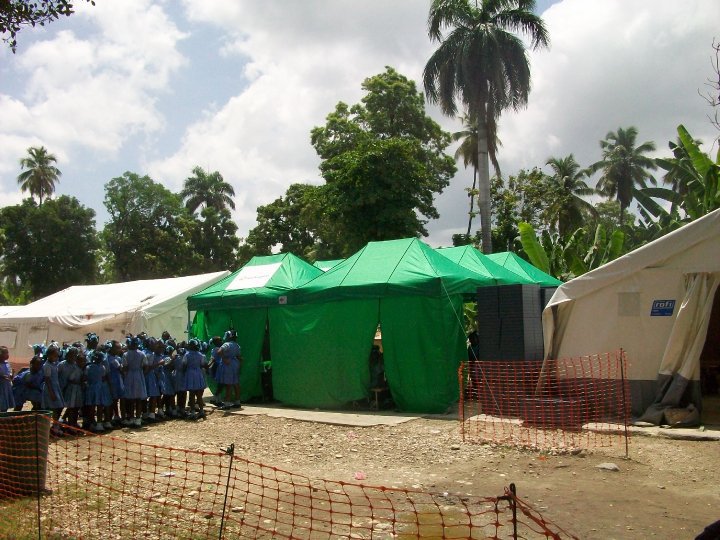
The need
In Haiti, going to school is a bill most families cannot pay.
Education here is almost entirely private. The result is a country where most children never finish, not for lack of ability, but for lack of a few hundred dollars a year.
A private system
Nine in ten schools are private.
Haiti’s education system runs from preschool through university under the Ministry of National Education and Professional Training. On paper it looks like any other. In practice, it is something families have to buy.
By the Ministry’s own figures, only about 8 percent of schools are public. The other 92 percent are private, funded by the fees parents pay. In a country where many live on a dollar or two a day, those fees decide who learns and who does not.
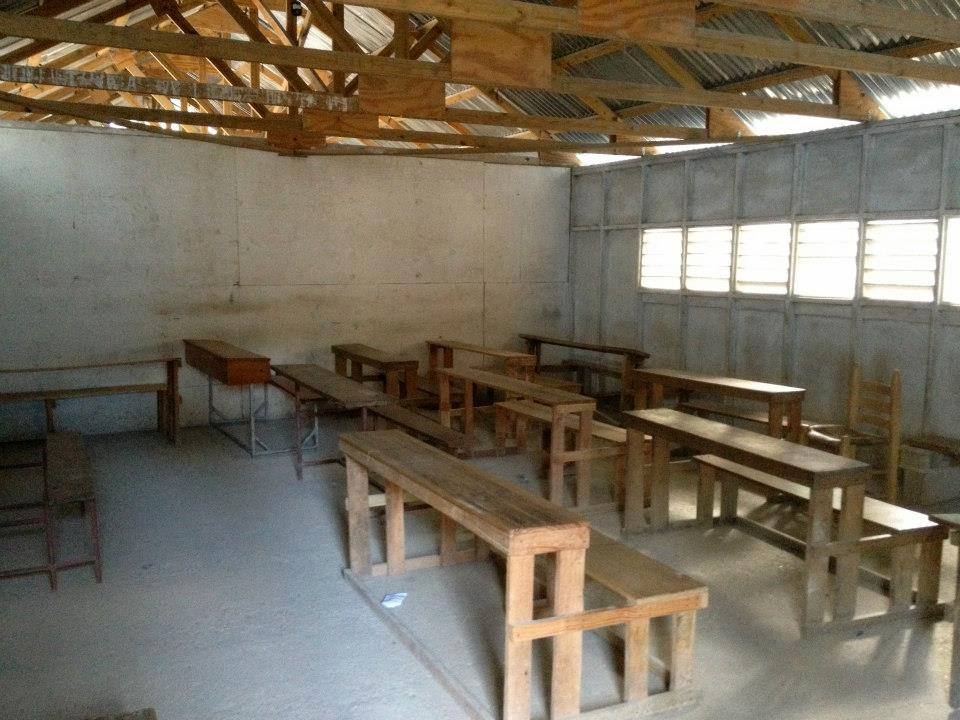
How far students get
The further up the ladder, the fewer who can afford to climb.
The barriers, plainly
The cost of tuition
Fees, uniforms, books, and transport add up to hundreds of dollars a year. For most families, it is simply more than they have.
The language barrier
Most Haitians speak Creole, but French is the main language of instruction and of the state exams every student must pass. Children who grow up speaking Creole are tested in a language they were never taught well.
The need to work
When money is short, older children work instead of study. Less than 1% of college-age young people ever reach university.
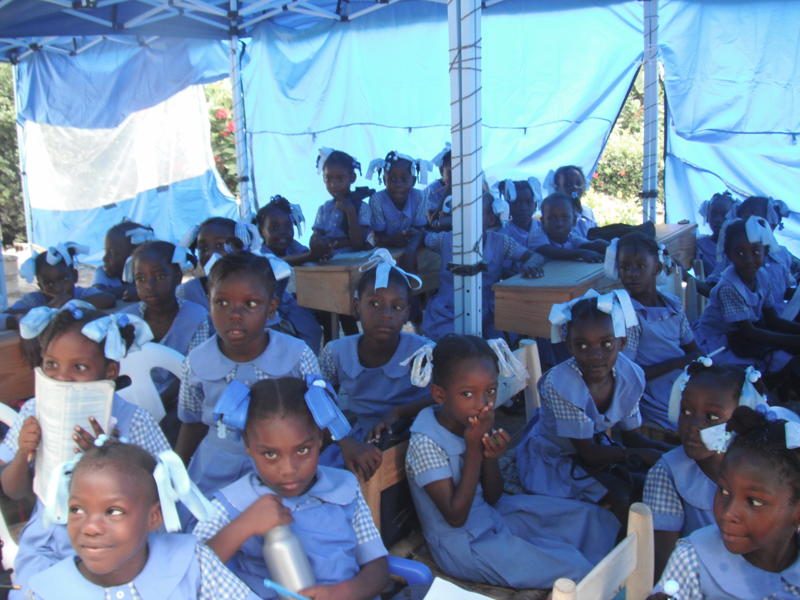
The barrier is money. So that is what we remove.
We do not build the system or rewrite the curriculum. We pay the one bill that keeps a specific child in a specific school, and we keep paying as long as they keep earning it.